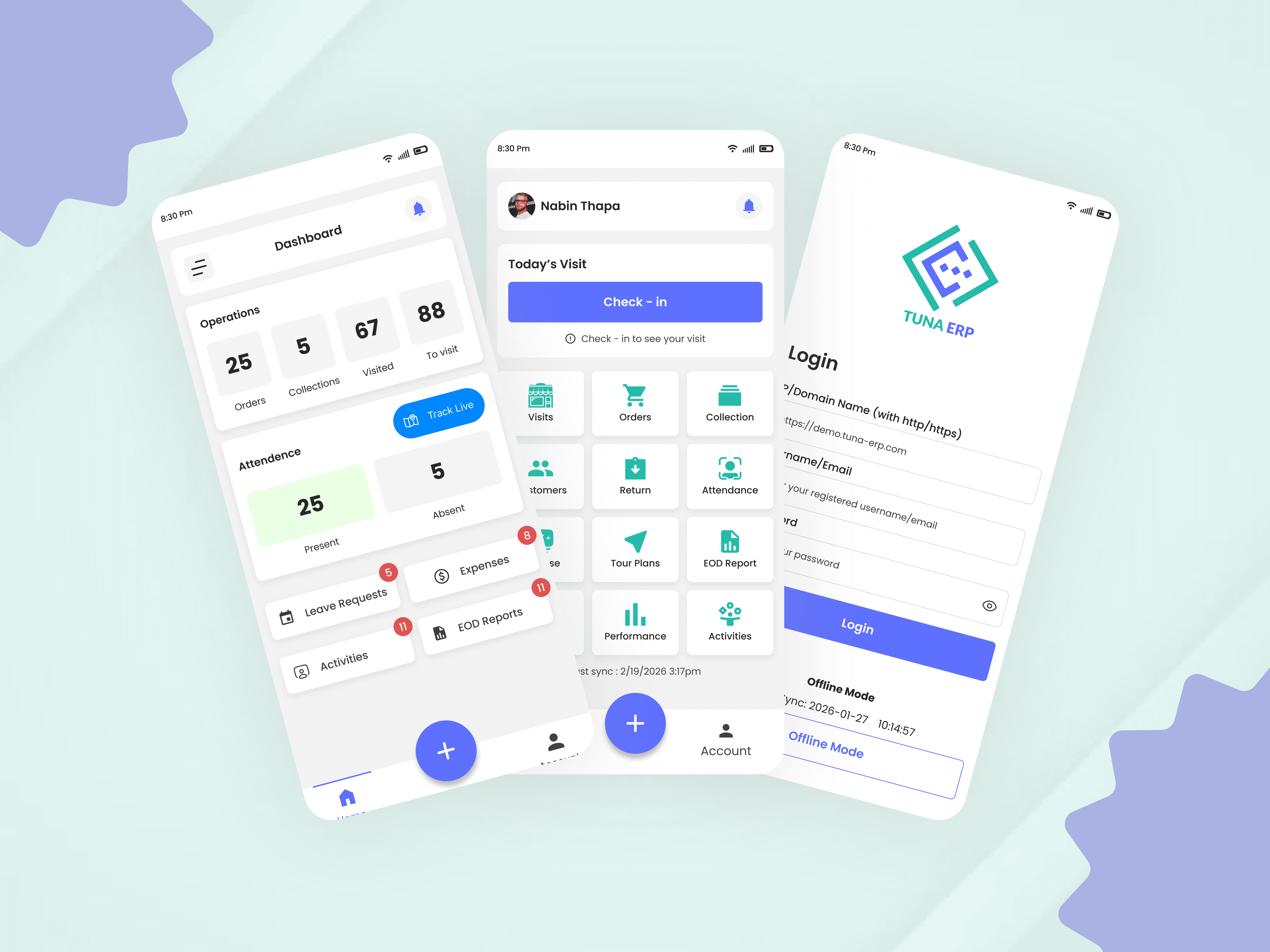
One request. Five broken systems. A platform no one planned to build : What started as a single client request — can you track where our salespeople are? — turned into something far larger than anyone anticipated. Paicho Pasal had no visibility into their field operations. No tracking, no digital orders, no payment records, no performance data. Managers were making decisions on gut feeling while salespeople worked without accountability or structure. Underneath one simple request were five broken systems, and the real challenge wasn't building a tracker — it was deciding to build a platform instead.
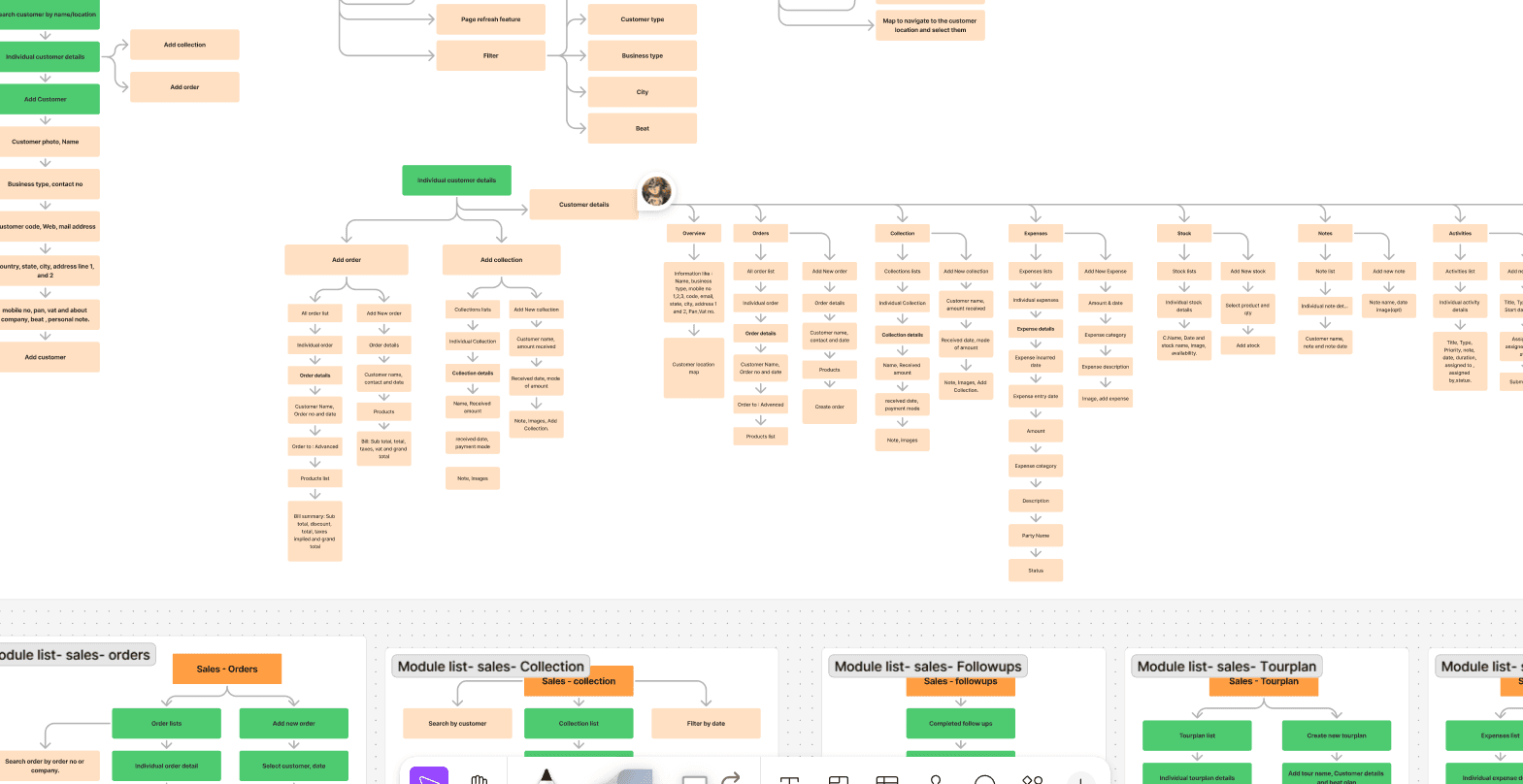
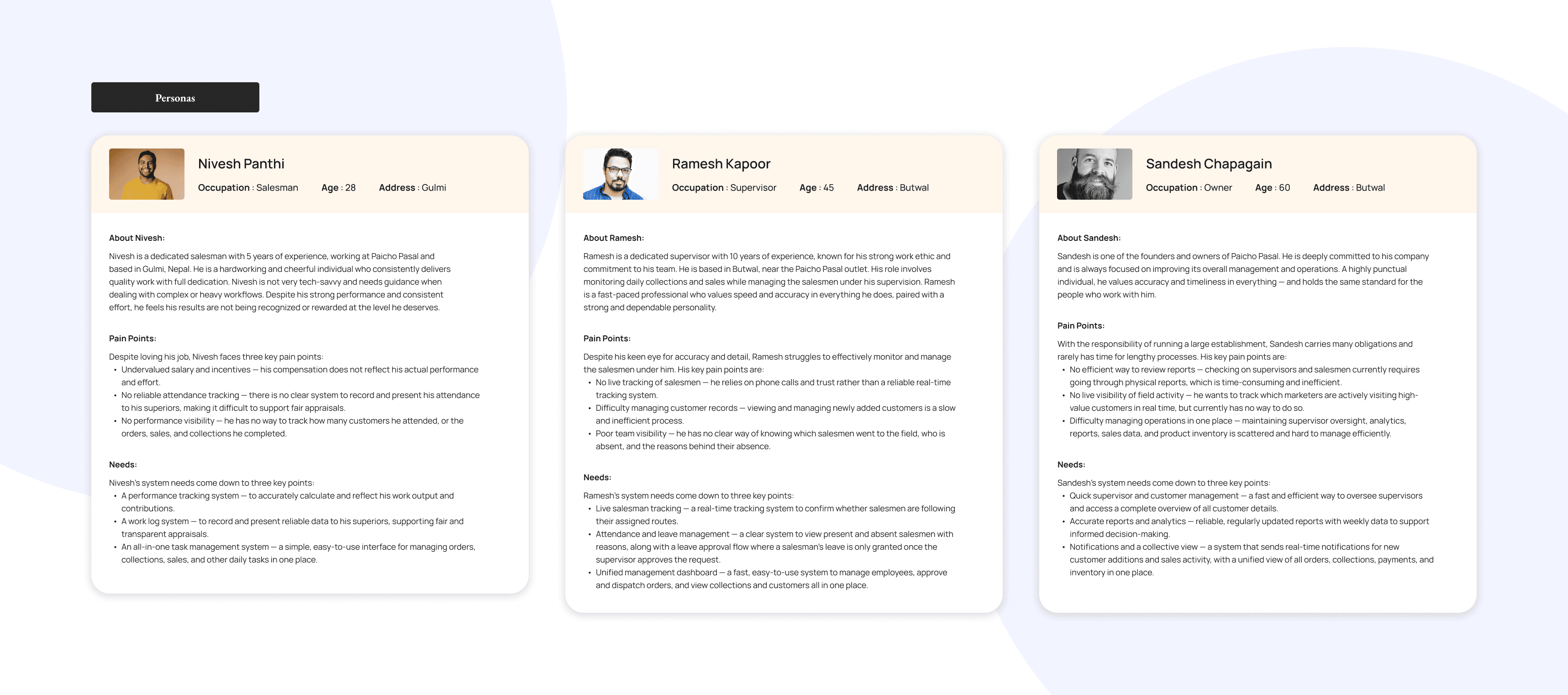
The research didn't answer questions. It changed them : Field staff worked in low-connectivity zones, so anything requiring internet would fail before it started. Management's core issue wasn't missing data — it was missing trust. And a salesman's mental model (customers, orders, routes) was completely different from a manager's (territory, reports, performance). These three insights shaped every decision that followed. I mapped complete user flows for every role — salesman, supervisor, branch head, admin — before a single screen was drawn. That process surfaced edge cases early: what happens when GPS accuracy is too low? What if a salesman is outside their territory? These weren't UI problems. They were UX decisions that had to be resolved at the structure level first.
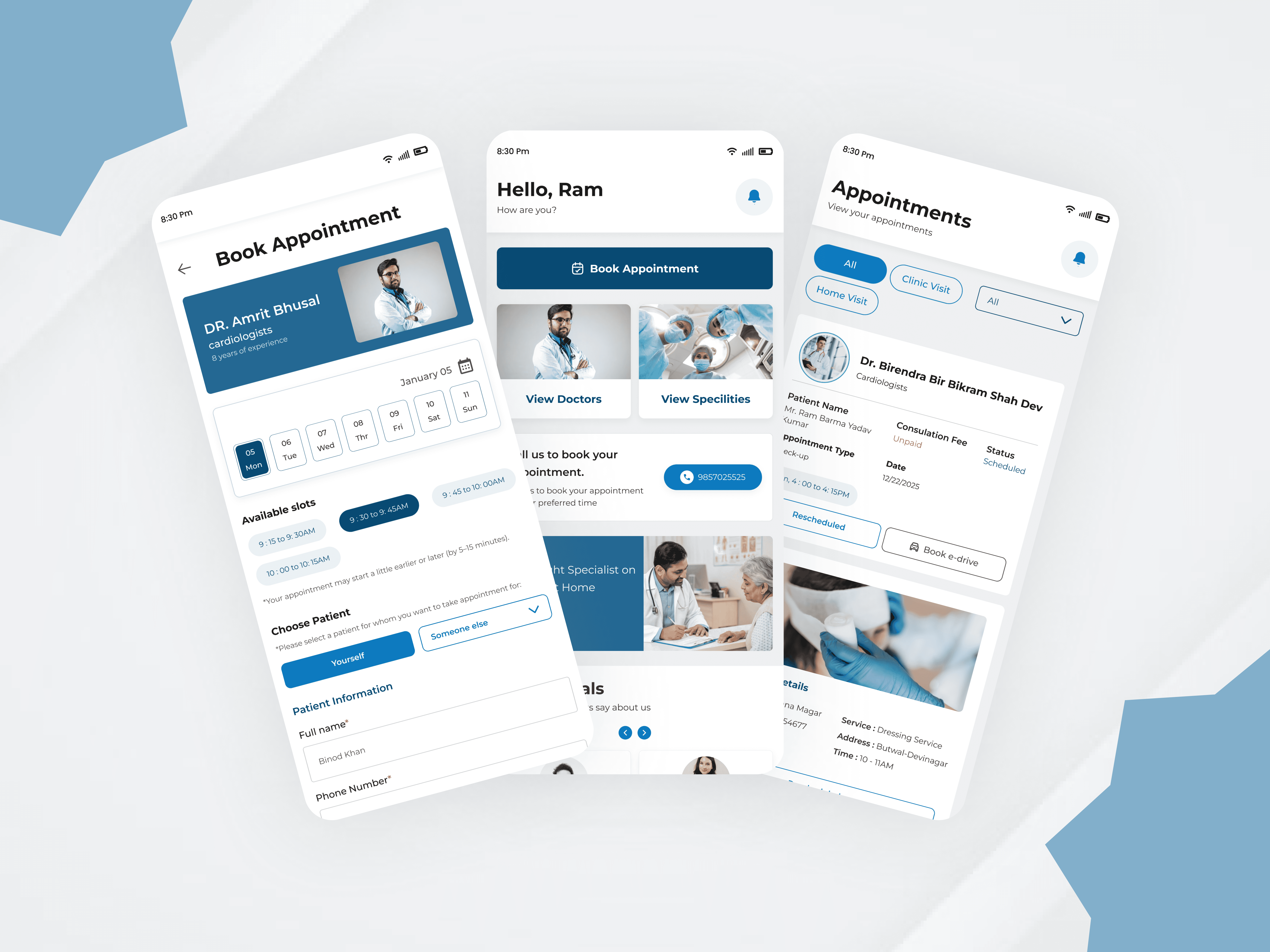
One platform. Every role. Zero compromise.
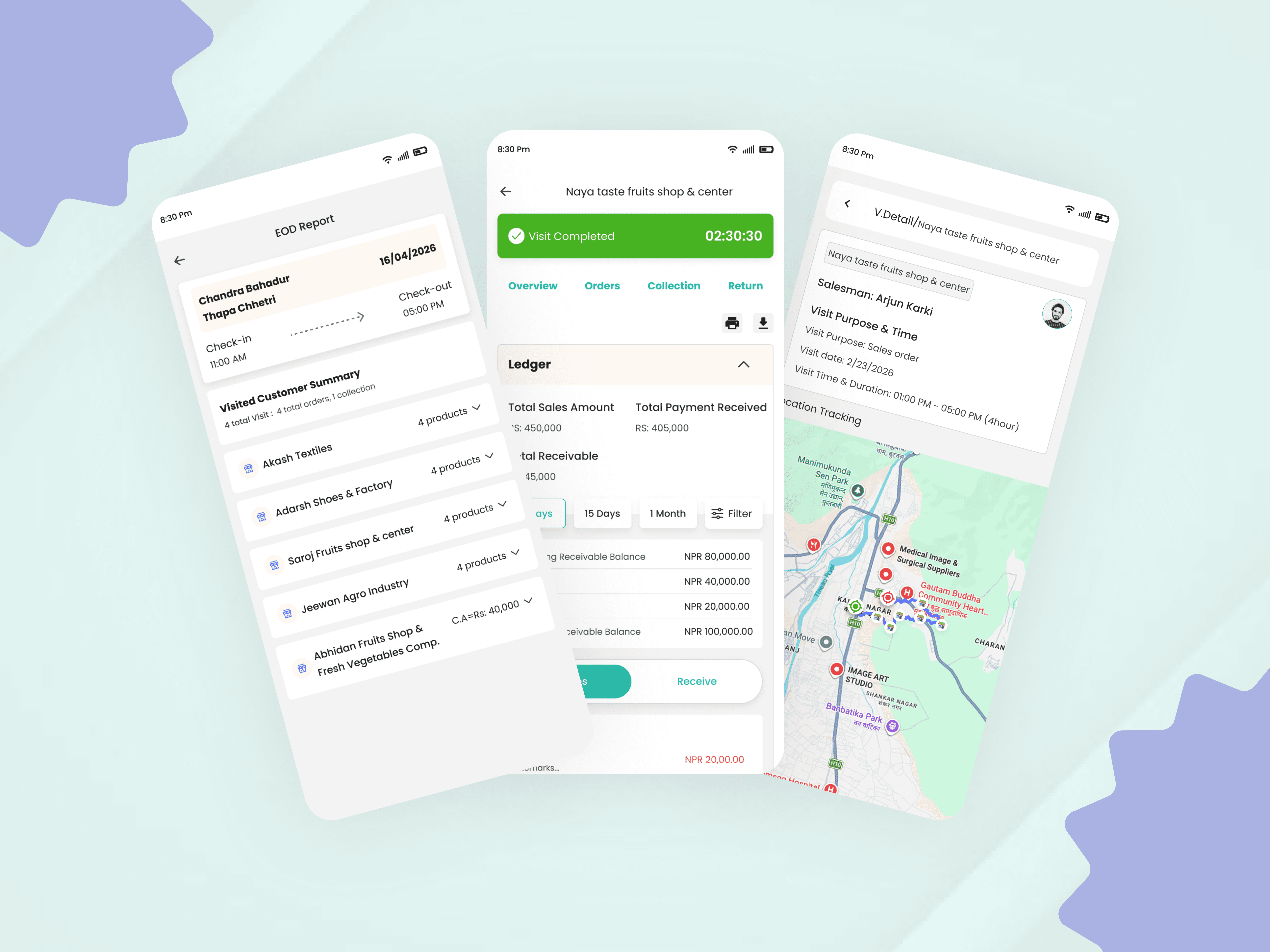
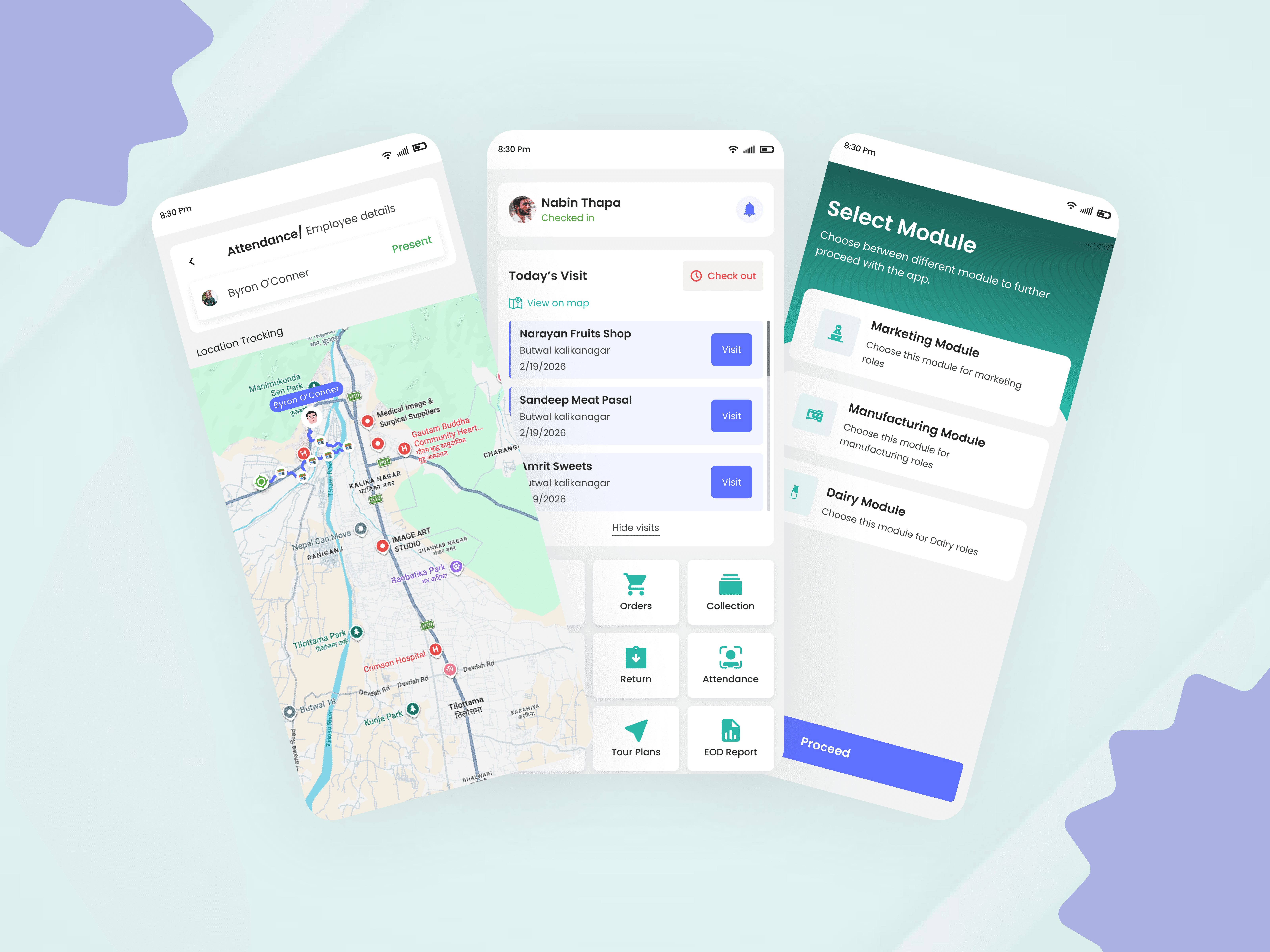
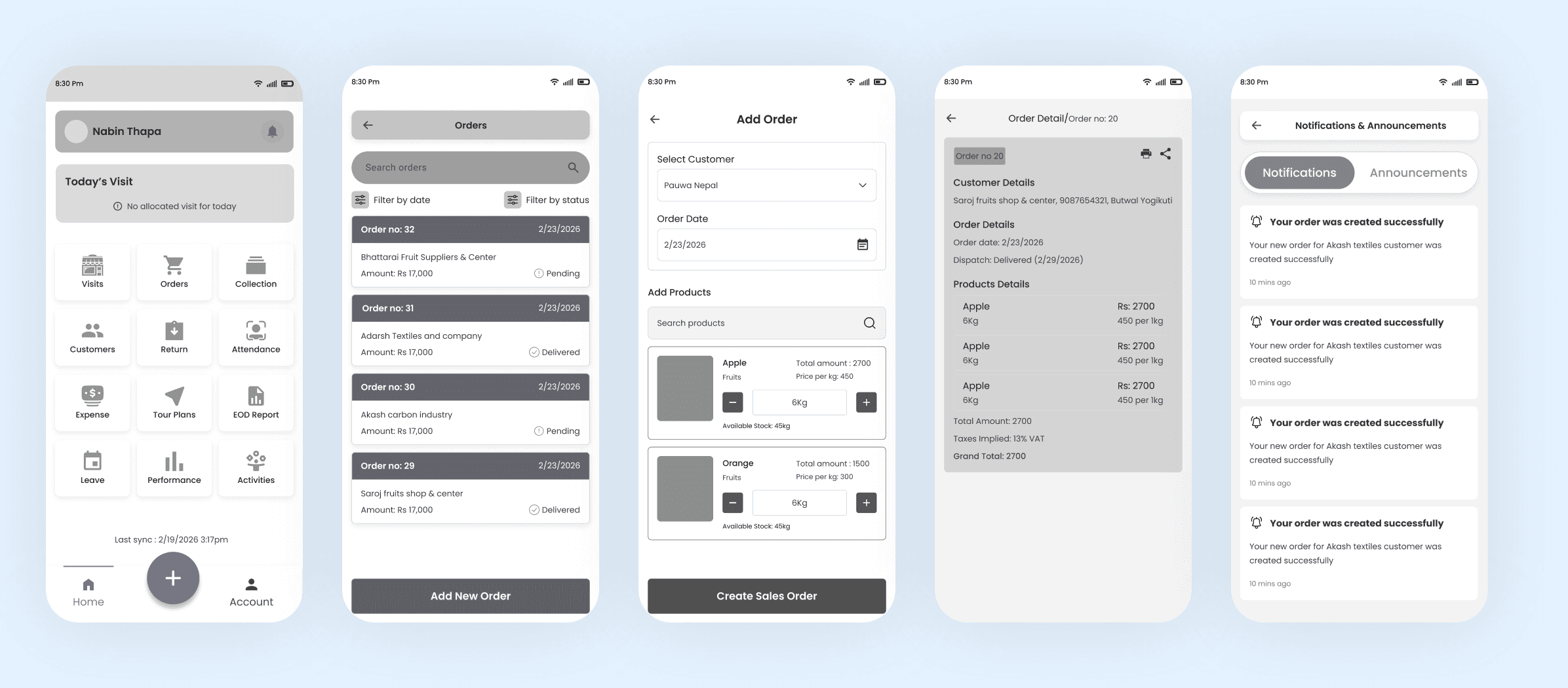
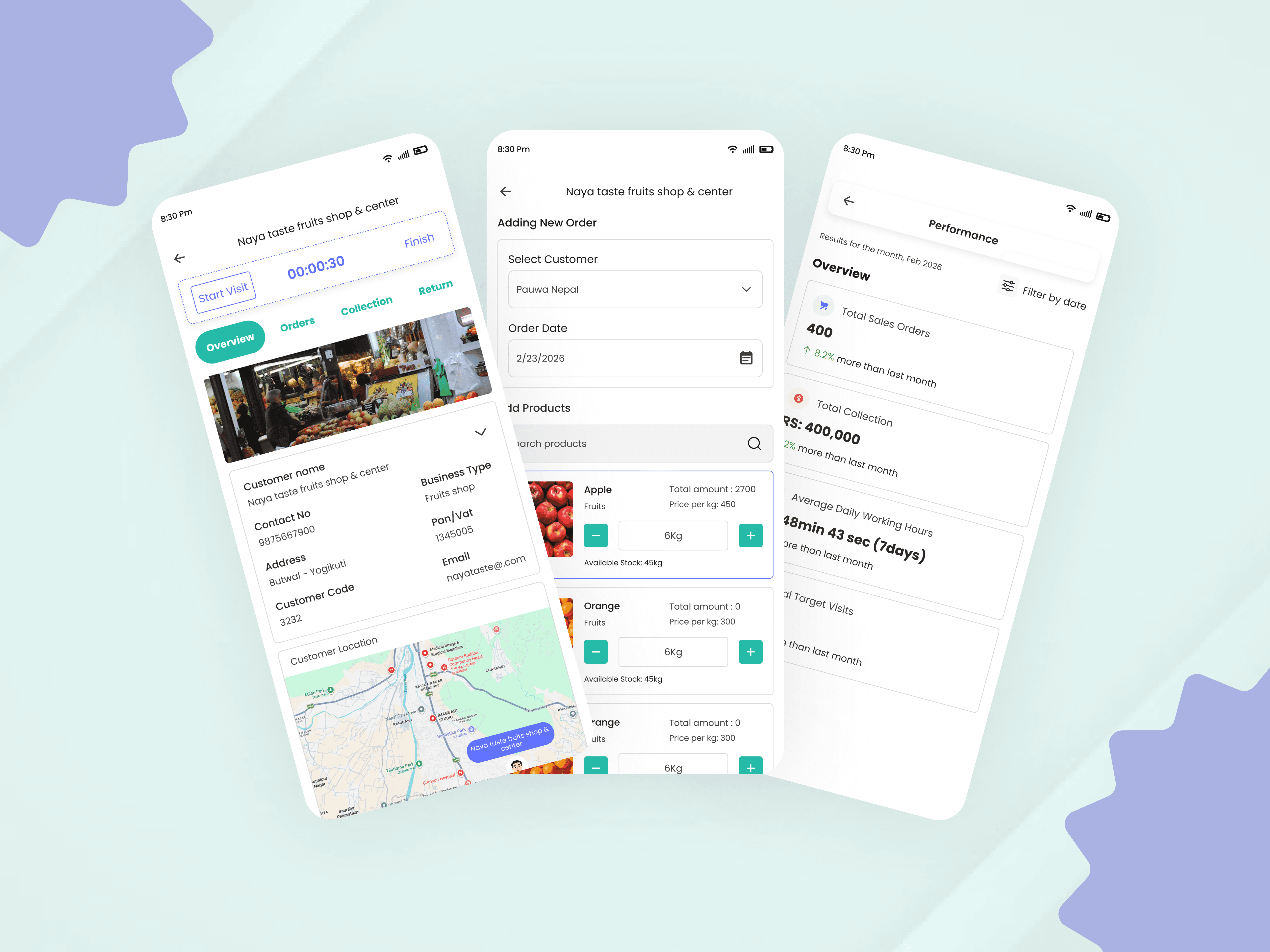
The boldest call was making it modular. Rather than one app with everything crammed in, we designed a parent platform where each business domain — Marketing, Manufacturing, Dairy — lives as its own module with its own roles, navigation, and logic, all under one login and one admin panel. Three principles governed every design decision: offline-first (every critical action works without internet, syncs when connection returns), territory-locked UX (salespeople only see and serve customers within their assigned zone, embedded naturally into the flow), and geo-fenced attendance (check-ins only validated inside real market boundaries — no spoofing, no backdating). The result was a consistent component library across mobile and web, role-aware UI that adapts without breaking visual coherence, and a live command center for managers showing real-time GPS locations, attendance pins, and filterable performance reports.
The numbers replaced the guesswork.
Field accountability — solved. Managers could see exactly where every salesman was, when they checked in, and which markets were covered. Sales operations — digitized. Orders, payments, and customer records moved from paper and memory to a synced, searchable system with zero data loss. Performance reviews — finally data-driven, based on real activity rather than assumptions. As the lead designer handling 95% of the work across both platforms, this project taught me that solid Information Architecture is the only thing that makes a complex, fast-moving project survivable — and that designing for five different user types isn't about layouts, it's about understanding how each role sees the world and building something that honors that difference.